
Formerly... HeartBased.io
Tigmonk Site Long Logo Light
Tigmonk Site Long Logo Dark
Home
Donate Events Contact Tiger
Home
sServices
Free LiveStreams
$1 Community
1 on 1 w/Tiger (Info)
Donate
Events
Contact Tiger
Back to products

Tigmonk Community

Return... to a more grounded, loving, and playful version of yourself.

It's simple. This space is for those who already resonate. Join live, watch recordings, explore courses, yada yada — let's play. 

Content

TLS: LiveStream Raw Recordings
Raw LiveStreams Recordings

See the "Playlists" section to view any series of talks. 
TLS025 LIVE 1:09:31
TLS025: What We Want, What We Trust, and What the Mind Cannot See
Sep 16, 2026
🎙️ Quick Summary This LiveStream moves through several connected inquiries: what we really want, what trust actually means, why the mind cannot deliver truth, and how emotions expose the way we are seeing. What begins as a question about desire becomes a sharp tour through freedom, surrender, limitation, and the strange human habit of asking life to obey our imagination. 💡 The Core Insight(s) The Answer Is Deeper Than the Mind (00:00) The mind can feel certain about what we want in one season and completely lost in the next. Rather than treating either state as final, Tiger frames the question “What do I really want?” as a doorway into a sincerity that does not need a polished sentence or clear image. The pressure drops when we recognize that “the real answer is deeper than the mind.” Knowing and not knowing can both be allowed, because neither one defines what is ultimately true. The One Real Want Costs the Smaller Ones (06:36) Once that deeper want becomes clearer, it immediately asks something from us. Health requires releasing habits that undermine health; inner freedom requires letting other people be free instead of demanding that they behave in ways that protect our comfort. The smaller wants often sabotage the sincere one. Even getting lost helps clarify the difference — or, as Tiger puts it, “If you’re lost, fantastic.” Trust Is Not a Deal With Life (15:11) That same demand shows up when we call something trust but secretly mean, “I will trust life if it gives me what I want.” Tiger’s late-night bus story cuts through it: with the final bus uncertain, trust was not believing it would arrive; trust was knowing he would remain whole and complete even if it did not. The bus arrived late. But the actual shift had already happened: “I’m trusting that all will be well regardless.” Surrender Begins Where the Character Ends (28:17) From trust, the inquiry moves into the imaginary character the mind tries to protect. Rejection feels dangerous only to the degree that we believe something real has happened to who we are; attachment to approval, possessions, and identity keeps that character propped up. Tiger’s car example makes the trap obvious. We attach worth to an object, then resist letting it go because we are really defending the meaning we invented around it — a temporary validation that was never inside the car. The Mind Is a Map, Not the Landscape (48:53) When asked about tools for moving beyond limiting thoughts, Tiger names awareness, humility, radical self-honesty, and knowing that we do not know. The mind constantly projects a coherent but limited reality so that it can feel safe; curiosity creates room between how something looks and what it actually is. Pickleball supplies the practical evidence: the body can feel incapable, the mind can declare the game impossible, and then a far greater capacity appears once movement begins. The mind helps us navigate, but “the map is not the landscape.” Emotions Report Perception, Not Reality (59:52) The final question brings feelings into the picture. Emotional pain is not presented as proof that the outside world has damaged us; it is information showing that our perception is out of alignment with the truth of what we are. The fire and forest examples bring the design down to earth. Pain tells the hand that skin and fire do not belong together, while the forest becomes beautiful when we stop demanding that every bug, tree, and death conform to our preferences. That is why Tiger can say “your emotions are perfect.” They are not the enemy; they are part of the mechanism guiding us back toward reality. 🔑 Things Worth Writing Down The deepest answer does not need to arrive as a sentence in the mind. Real freedom requires releasing the demand that other people protect us from discomfort. Trust means remaining whole regardless of outcome, not believing that life will fulfill our preferred outcome. The mind shows us how we see reality; it cannot contain the full truth of reality. Emotional pain is feedback about perception, not evidence that our worth has changed. ▶️ Watch / Re-Watch If... If you keep trying to think your way into certainty, control an outcome in the name of trust, or treat emotional pain as proof that life has gone wrong — this one dismantles the whole mechanism. Truth does not need the mind’s permission to be true.
TL024 LIVE 52:21
TLS024 The Devotion to Keep Showing Up (The Design of Progress)
Sep 15, 2026
🎙️ Quick Summary Tiger starts with information overwhelm, follows it down to the fear underneath, and lands on a much bigger question: what if the love we keep trying to get from life can only be released from within us? From there, this becomes a focused exploration of devotion, failure, rejection, and the thousand tiny decisions that either close us down or let more of us come alive. 💡 The Core Insight(s) Love Isn’t Arriving From Somewhere Else (06:16) Tiger begins with the two layers of love in relationship. The first looks like learning to behave in ways that make it easier for others to love us; the deeper layer recognizes that the love we experience is the love we allow to move through us. That changes the entire game. Instead of arranging the world so it gives us what we crave, we can notice the ways we withhold love and see that we don’t have to. The shift is from dependence to participation: love is not a resource sitting outside us, waiting for someone else to hand it over. Want More Love? Meet What We Fear (11:48) From there, Tiger follows the uncomfortable logic all the way through: if fear is what withholds love, then craving more love is also asking life to reveal the places where we are afraid. That is why asking for patience brings us face-to-face with impatience. Asking for a beautiful relationship exposes how we fail to create one. Life is not refusing the request; it is showing us the exact place where the request must become lived practice. The part we call difficulty may be the answer arriving without gift wrap. Failure Is Evidence That It’s Working (19:19) That practice requires devotion — not the fantasy of getting it right once, but the willingness to fail, learn, get back up, and improve a little the next time. Tiger puts it plainly: “You can’t succeed without failure.” His pickleball stories make the point physical. Easy opponents may protect the feeling of being good, but they cannot make us better; resistance, exhaustion, losing, and playing above our current level are part of the training. The same holds in business, health, relationships, and spiritual life. “The point is to learn. The point is not to win.” A Thousand Tiny Decisions Open the Door (43:40) The final turn is wonderfully ordinary: Tiger sees a stronger pickleball group, risks asking to join, gets told no, then yes, then no, then yes again. One small decision to tolerate rejection opens a new game, a playful connection, and more possible relationships beyond it. This is how fear compounds — but it is also how courage compounds. We can spend years quietly pushing opportunities away because we do not want to look weak, disappoint someone, or hear no. The alternative is not one heroic leap. It is “a thousand tiny little decisions” that let us explore, fail, ask, and keep moving — until the version of us that is less afraid is no longer theoretical. 🔑 Things Worth Writing Down Information is not always the problem; sometimes the real strain is the self trying to secure itself through information. We cannot separate the result we want from the failures required to become capable of it: “You either want the whole thing or you don’t want it at all.” Wanting to be seen a certain way is not the same as becoming that way. Other people’s perception cannot replace our lived reality. Health, relationships, and service form Tiger’s three practical priorities — and neglecting one weakens the others. Fear often hides inside tiny choices that look irrelevant. Reverse enough of those choices and an enormous amount of possibility reappears. ▶️ Watch / Re-Watch If... If fear of rejection, failure, or looking bad has been making decisions on your behalf — watch this one. Especially if there is something sincere you keep saying matters while avoiding the exact practice that would help it grow. We do not need to become fearless. We need to stop treating fear as the final authority.
TLS023 LIVE 42:36
TLS023: Self Inquiry, The Illusion Game, Simplicity of One
Sep 9, 2026
Explore a transformative perspective on love and self-awareness, emphasizing the importance of seeing beyond stories and identities to experience genuine connection and inner freedom.
TLS022 LIVE 1:04:11
TLS022: What Love Is, Why We Withhold It, and How It Flows
Sep 8, 2026
🎙️ Quick Summary Tiger opens with two small scenes: an old man in a Portuguese café whose eyes seem to say “I love you,” and Tiger smiling at his irritated wife because nothing about her looks wrong. From there, the session becomes a focused exploration of love — why we make it conditional, how demanding it from others turns us into prisoners, and why the love we crave is already moving within what we are. This isn't a lecture about becoming more lovable. It's a dismantling of the misunderstanding that says love comes from somewhere else. 💡 The Core Insight(s) The Smile Says What the Heart Sees (00:01) The old man in the café appears, through his daughter's eyes, to be difficult and not quite “all there.” Tiger sees something else: a man overcome by love and gratitude, meeting everyone as though his eyes are saying, “I love you, I love you, I love you.” That same seeing appears when Tiger looks at his wife while she's irritated. She briefly wants him to be bothered because she's bothered, but his refusal to join her self-judgment lets the tension melt: “The moment we start to truly see that it's okay to not be okay, we start to feel a little bit more okay.” Love, in this first movement, isn't correcting the human moment. It sees the whole thing without finding a reason to withdraw. Outsourcing Love Makes Us Prisoners (13:12) From those scenes, Tiger rewinds into the misunderstanding beneath most of our trouble: we assume love comes to us from the outside. We learn early that approval may depend on behaving correctly, so we start contorting ourselves to avoid judgment and secure the thing we think another person controls. The cost is brutal and ordinary. We reject what we are in the hope that someone else won't, then repeat the same bargain by implying, “I will love you if.” If someone outside us holds the thing we want most and fear losing most, “they are your master.” Honesty becomes dangerous, tension becomes normal, and relationships become negotiations over who must behave differently before love is allowed. “For Love to Be Love, It Must Be Free” (23:15) Once we see that prison, the next step is uncomfortable but clean: release the demand that anyone love us. Wanting someone to love us can quietly mean we don't want them to be free — we want them to give us a particular experience so we can finally feel okay. Tiger's point isn't cold independence. It's that genuine love must include another person's freedom not to love us, agree with us, or become what we prefer. This also changes what “loving ourselves” means. Rather than trying to love a mental character and its often terrible biography, we can recognize the deeper craving: not “I want to be loved,” but “I want to experience love.” To really love ourselves is to allow that experience instead of waiting for the correct external permission slip. The Flower Isn't Loving You (47:45) Tiger makes the mechanism obvious with a flower. One day we see it and feel an immensity of love; another day we could say, “Fuck you, flower. I'm having a bad day.” The flower didn't install or remove the love — we allowed it to flow, or we didn't. The same applies when a partner says the right thing, takes out the trash, or seems to understand us. Those conditions don't manufacture love; they satisfy an agreement we've made with ourselves about when love may move. And the picture keeps widening. To love the flower is also to love the soil, rain, ocean, stars, and totality that made it possible. As seeing becomes clearer, the arguments for withholding love collapse — not because we try harder to be loving, but because “love is the natural and effortless byproduct.” 🔑 Things Worth Writing Down When we think love comes from other people, being ourselves starts to feel dangerous. Demanding love asks another person to surrender the freedom that makes genuine love possible. The real craving isn't merely to be loved; it's to experience love within what we are. Conditions don't give us love. They reveal the agreements we've made about when we'll allow it. Clearer seeing does what force cannot: it removes the reasons we use to withhold love. ▶️ Watch / Re-Watch If... If you've been waiting for someone to approve, understand, or choose you before you'll let yourself feel love — watch this one.
TLS021 LIVE 26:19
TLS021: Giving People Back to Themselves (Taking Things Personally?)
Sep 2, 2026
🎙️ Quick Summary This session starts with a simple human problem: we often delay honest choices because we’re afraid of how other people might respond. From there, Tiger follows the thread into acceptance, resentment, self-importance, and the exhausting habit of taking life personally. The central invitation is not to become better at managing everyone’s reactions. It’s to give people back to themselves, question what our emotions are actually responding to, and let life be life. 💡 The Core Insight(s) Give People Back to Themselves (00:10) Tiger opens with someone delaying obvious, beautiful opportunities because moving forward would require honesty — including the possibility of saying no. Beneath all the questions about communicating well or avoiding hurt feelings, he points to the secret agenda: “How do I make sure people still like me?” That agenda quietly makes us responsible for someone else’s judgment, disappointment, or misunderstanding. Giving people back to themselves means letting them have their experience while we make the decision that is deeply honest and sincere for our own life. Tiger grounds this in his relationship with his wife: before saying what needs to be said, there is already room for her to dislike it, disagree, or be mad. That allowing doesn’t shut down listening; it makes genuine listening possible because he is no longer trying to control the outcome. Acceptance Is Already Done (04:23) That leads into a distinction that changes the whole weight of the conversation: trying to accept reality is exhausting because we imagine acceptance is something we have to manufacture. Tiger’s point is sharper: “It’s not my role to accept things, it’s my role to see the acceptance that’s already there.” The same applies to love, peace, freedom, and forgiveness. The effort to produce them can become the very thing that hides what is already present. So when acceptance or forgiveness seems difficult, the useful question is not how to force it. It’s what we are fighting to keep instead — resentment, blame, control, or the right to make someone guilty. What Are We Fighting For? (07:18) From there, Tiger names the common root beneath those fights: “an imaginary sense of a separate self-importance.” Even the banging noise during the recording becomes a live example — irritation says the noise should stop because my activity is more important than what is happening. The same mechanism appears when we want people to approve of our decisions. We take their thoughts personally, then try to control those thoughts so they confirm the identity we want to protect. The painting example makes this clean. A stranger looks at an artist’s painting and calls it ugly, but the stranger is not truly seeing the artist — or even the painting as the artist sees it. The stranger is creating their own painting, having their own experience, and showing us why their interpretation was never personal in the first place. Your Emotions Respond to How You See (19:45) Once nothing is personal, emotional disturbance looks different. Tiger uses the example of someone arriving late: are we responding to the plain fact that they are not there at a particular time, or to the story we create about what their lateness means about us? If we say, “I’m suffering because you’re late,” we hand another person responsibility for our internal world. But our emotions are responding to our perception — to what we think the event means — not to the event by itself. That recognition turns the inquiry inward without turning it into blame. Instead of demanding that the world change so we can feel okay, we can question how we are seeing, what story is being protected, and whether that story is true. This is the practical return to reality: the more we live in opposition to what is, the more we suffer. The more clearly we see what is true, the less interested we become in forcing life to match what we thought we needed. 🔑 Things Worth Writing Down Hidden beneath many communication questions is a quieter demand: make sure they still like me, don’t judge me, and don’t blame me. Letting people have their experience makes honest listening easier because we no longer need to control where the conversation lands. Forgiveness is hard to see when we still want resentment; love is hard to see when we want something another person does not have to give. Taking things personally is one of the ego’s favorite ways to keep a separate identity alive — even when the story causes suffering. Our emotions respond to how we see what happened, not merely to what happened. ▶️ Watch / Re-Watch If... If you’ve been delaying an honest choice because someone might misunderstand, disapprove, or feel disappointed — watch this one before making their reaction your responsibility. A direct session, a noisy background, and one clean conclusion: it’s not personal. Let life be life.
TLS020 LIVE DRAFT 30:34
TLS020: Fear, Self-Acceptance, and What It Takes to Live Honestly
Sep 2, 2026
🎙️ Quick Summary This was less a polished discourse and more a loose hangout with fear as the thread running through it. Tiger moved from why-versus-how, into the biological side of a dysregulated mind, then through ego, approval, honesty, prison, death, marriage, and what freedom actually asks of us. A little all over the place, yes — but not empty wandering. 💡 The Core Insight(s) The “How” Can Be a Distraction (00:00) Tiger starts with a useful distinction: when we understand why health matters, the appropriate how becomes fairly obvious — and there can be many valid versions of it. The same applies to fear. Asking how to stop a fearful mind can become an innocent attempt to manipulate what is happening instead of understanding why the fear exists and what it costs us. That deeper why creates the priority. Once the priority is real, there are ten thousand possible practices. “Take your pick.” You Can't Out-Think Bad Inputs (03:39) From there, the conversation gets bluntly biological. Tiger describes someone searching for a spiritual or trauma-based explanation for feeling terrified and ungrounded — without once considering what they were feeding their body. The point isn't that every fear problem is dietary. It's that we make inner work much harder when we ignore the nervous system doing the work. “You can't think your way out of a shitty diet.” And one decent meal doesn't create regulation. The real shift comes from a consistent pattern over 30, 60, or 90 days — not a brief rescue mission after another stretch of feeding the brain rubbish. Fear Responds to the Mind's Content (09:21) Then Tiger gets to the central observation: fear is not responding directly to reality. It is responding to the story, image, or interpretation the mind produces about reality. We're not afraid of darkness as an absence of light; we're afraid of what imagination puts inside it. We're not offended by another person's words alone; we're disturbed by the meaning we attach to them. That distinction matters because being afraid of fear adds a second layer to the original reaction. Seeing the mechanism doesn't instantly erase every sensation, but it makes the mind's noise less authoritative. The Ego Wants the World to Make It Real (11:56) Under that fearful content sits the character we call “me” — trying to be validated, included, loved, and made real. “The more you want them, the more you fear not having them.” Because the ego builds identity through attachment to the world, worth becomes dangerously exposed. Someone might dislike us. Something might fail. Another person might refuse to play the role our identity assigned them. “The ego wants something from the world, and because it wants it, it fears not getting it.” That's the engine underneath far more everyday anxiety than the surface story admits. Honesty and Image Protection Don't Mix (18:37) Tiger makes this concrete with someone facing a relocation decision. The sincere answer was already obvious, but fear of other people's reactions made it look complicated. If acceptance appears to live outside us, we have to become whatever we imagine the world will approve of. The price is self-abandonment: “You can't be honest and protect how other people see you.” That doesn't mean honesty always produces comfortable circumstances. It means the approval we're sacrificing ourselves to obtain is imaginary anyway — another person's image of us is no more “us” than our image of them is truly them. Freedom Includes the Risk of Loss (24:26) The Q&A pushes the idea to its sharpest edge: what if authenticity carries cultural, legal, financial, or relational consequences? Tiger doesn't pretend those consequences are nothing. He asks what we actually value enough not to sacrifice. The same principle lands closer to home in marriage. Loving his wife deeply doesn't require pretending he couldn't survive losing the relationship; knowing he would be okay is part of what allows him to be honest inside it. “To go deeply with another human being requires the embrace of the risk of not being with them.” If fear of loss controls the truth we can tell, closeness has already hit its ceiling. 🔑 Things Worth Writing Down A deeply understood why makes many different hows available; a how without understanding often becomes manipulation. Biology is not separate from inner work. A dysregulated brain is a rough instrument for clear seeing. Fear reacts to the mind's interpretation of reality, not simply to reality itself. The more identity depends on something outside us, the more fear appears around losing it. We cannot protect an approved image and live with full honesty at the same time. ▶️ Watch / Re-Watch If... If fear has turned a simple decision into a committee meeting with everyone you've ever met — this one's for you.
TLS019 LIVE 32:13
TLS019: The Relationship Reframe That Changes Everything
Aug 26, 2026
🎙️ Quick Summary Tiger's spirituality talk this week doubles as relationship theory: what looks like a fight with a partner is usually a fight about who we think we are. We start with what spirituality actually means — alignment with what's true — then follow that straight into why relationships go sideways: we walk in looking for someone else to hand us our own sense of self. One throughline, a wife anecdote, and an on-brand sign-off about pickleball. 💡 The Core Insight(s) Alignment Is the Whole Game (01:48) Tiger opens wide, but this frame runs the whole talk: "Spirituality... is an opportunity to align yourself with the truth of life so that as you live life there is a more harmonious experience." Fight what's actually true and we get friction. Align with it and the friction just drops — not as a reward, just as cause and effect. That's the promise underneath everything that follows: less conflict in our relationships isn't a spiritual bonus tacked on for good behavior. It's what happens automatically once we stop resisting what's real. What Are We Actually Searching For? (11:48) From there he zooms straight into the drive underneath everything we do — parenting, marriage, every argument: "the most ancient question... who am I?" Every relationship is a stage for that same search, whether we admit it or not. Even the most ordinary attempt to figure out anything in the world, he says, is really an attempt to figure out ourselves. "I Am Trying to Get or Build What I Am" (13:19) Here's the actual snag, and it's subtle: we assume the answer to "what am I" isn't here yet. That it's out there — that other people already have it, and we're the ones missing it. So we walk into relationship trying to get that thing from a partner, instead of recognizing it was never something to acquire. Tiger doesn't soften this: it "sets up an epic disaster," because we're asking someone else to hand over something we were never actually separate from. He ties it to a second image — life itself, relationships included, as feedback that shows us what we are, the way touching fire shows you your skin doesn't go well with flame. Bump into enough of that feedback honestly, and the false assumptions start falling away on their own. The Thing We Want Isn't Coming From Them (20:03) Ask casually what we crave most from a partner and we'll get the filtered answer — "I want them to be successful," "I want to be understood." Tiger calls that the version run through however honest we're actually willing to be with ourselves. Push past it and it collapses into one thing: "I want to experience a greater capacity to love." That's internal. Nobody hands it to us. His own marriage is the scene for it — holding space for his wife's more traditional starting point early on, without needing her to be different first. Demanding someone change so we can relax is the same trap in a nicer outfit. And it doesn't require a partner to be on the same page. "This matters for the one who's willing to see it," full stop — the rest of the relationship shifts around that, regardless of what the other person is doing with their own journey. 🔑 Things Worth Writing Down Less conflict isn't a spiritual reward — it's just what happens when we stop fighting what's actually true. The question under every relationship problem is "what am I?", not "what do I want from them?" What we crave most is never really about the other person — it's "a greater capacity to love," and that's ours to give ourselves. Needing a partner to change so you can relax is the same trap as needing them to change for you — just from the other seat. This doesn't depend on a partner doing "the work" too. It only takes one person seeing it clearly. ▶️ Watch / Re-Watch If... If you've ever needed someone else to change before you could feel okay — partner, parent, kid, doesn't matter who — this one's for you.
TLS018 LIVE DRAFT 1:04:08
TLS018: Being Normal & Withholding Love
Aug 25, 2026
🎙️ Quick Summary This one plays like a single unfolding teaching that opens into live Q&A. Tiger starts with a story about what "normal" really means, works down to what's actually knowable underneath the noise in our heads, and lands on why we withhold love from the people we love most. Reese, Cassie, and Adya each push him on how that shows up and how to stop it — and every answer traces back to the same root: a story about separation that isn't true. 💡 The Core Insight(s) Rich Is Just Normal (00:00) Someone who grew up poor asked Tiger what it's like to be rich. His answer: probably pretty normal — because everything becomes normal once it settles into your experience, the same way "what's it like to be older" stops being a mystery the moment you get there. We do this constantly: we look at someone else's life and hand it a glow that, from inside, isn't actually there for them. The redirect Tiger offers is simple — stop chasing someone else's normal and ask "what are the small moments of opportunity to allow more light to shine" in your own. "The Closest I Can Get Is to Say I Am" (03:59) From there he drops the wise-teacher act entirely — "there's so much I don't know" — and gets specific about what's actually left once the certainty is stripped away. The only thing he'll claim as known is a bare wakefulness, awareness simply being on. Everything else is "the great absence of all that I imagine" — stories the mind builds that create a whole perceived reality which isn't actually happening. Since nothing that passes through the mind can touch reality, what's left in that absence is no judgment at all — pure innocence, and in his words, plainly, love. The Character Would Rather Suffer Than Wake Up (09:37) Underneath that innocence, though, there's a character animated by fear — one that survives by withholding love, "primarily through itself, but then projected onto what it thinks is others." That character won't wake up, because waking up ends the character — it would rather suffer than die, which Tiger treats with compassion rather than correction. He brought it home with his marriage: being honest about his fears early on, and again last night, until his wife landed on "you're just like me" — not a contest over who's the better human, but both of them handing the center of the relationship to God instead of to each other's performance. Even a missing carton of eggs became evidence: she spiraled into "I'm such a terrible wife" over nothing more than running short on eggs for his dinner — "such a non-issue," and also completely human. It showed up again on a pickleball court, irritated at a weak partner, until he caught that the sting was really his own "if I don't win, I'm less than" — dumped onto someone else. Seen clearly, the partner's bad shots turned innocent, even adorable, and the same mechanism, he notes, runs identically through work, competitors, marriage, and parenting. "How Do You Stop Withholding Love?" (40:39) Someone finally asks it straight, and Tiger refuses to turn it into a technique: you don't stop withholding love by doing something, you become open to seeing the love that's already there, and the doing follows on its own. The real question underneath is whether you actually want that — or whether you'd rather be right, or seen as better than someone else. His starting point: forgive yourself before you try to forgive anyone else, since "it's impossible to see others as guilty without first believing you are guilty." He closes the loop on separation with a tree: every leaf thinks it's a separate thing with its own name, but it's the tree — it just forgot. Once there's no separate audience out there to convince, the wish to be understood turns out to have been aimed at yourself all along — which is exactly where the hour started: not chasing someone else's normal, just noticing what's already here. 🔑 Things Worth Writing Down Comparing your life to someone else's just means you haven't noticed theirs feels as "normal" to them as yours does to you. Self-judgment is the actual withholding of love — not what anyone else did. Irritation is an alarm that you're misunderstanding a moment, not proof the other person is the problem. Forgiveness and love for others is only ever an export of the forgiveness and love you already hold for yourself. Whatever you're reacting to on the outside is showing you something on the inside — there's really only one thing to manage.
TLS017 LIVE 44:20
TLS017: Guided Meditation & Fish Searching for Water
Aug 19, 2026
🎙️ Quick Summary This one starts in silence — a 15-minute guided meditation, Tiger as the quiet friend who mostly wants to know how our hearts are doing. Out of that stillness, the session opens into a teaching on the stories we mistake for life, a question from Dan about managing health and goals, and a landing in the most honest seat in the house: not-knowing. One thread runs through all of it — the thing we keep chasing was never missing. 💡 The Core Insight(s) Actually, We're Okay (00:01) "We can just be here together, yeah? And breathe." That's how the session opens — Tiger as "that quiet friend who doesn't have much to say, but is excited to see you." For fifteen minutes we just sit, and the stillness starts showing its hand. Most of what we fear, it turns out, "just isn't really happening." "All of the reasons that say you're not enough evaporate." And then the line the whole session hangs on: "You're not ever stressed out about life. You're stressed out about stories." Which is quietly great news: if stress is made of stories, we can set the stories down — "you can pick them back up later." The meditation ends in forgiveness that turns into gratitude — life itself as the savior that "rescues you from all of the imaginary monsters." "This Is My Life" (14:51) Fresh out of the meditation, Tiger admits none of this always landed. "I can remember a point in my life where such a thing was not very inviting at all. This is my life." Back then he was "living with a closed heart, trying to protect my imaginary sense of a separate self-importance." It's the era we all know — life wrapped around us being important, the whole world as enemy, and the quiet deal underneath: "when I get there, then I'll be loved." And life's response to all that striving? It waits. "Life lets you go out there and exhaust yourself." No punishment. No lecture. Just patience while we wear ourselves out pretending. The Invitation to Disappear (19:21) So what does surrender look like from the other side? Mid-session there's construction noise next door — earthquake repairs, maybe — and Tiger doesn't flinch. The invitation, he says, is to disappear: "to the extent where nothing is personal anymore. People can think what they think about you, and it's fine." He offers a line he heard somewhere: "enlightenment is just being okay with whatever happens." Plans work out or they don't. Nature does what nature needs to do. And this isn't theory for him: "It's all been okay... here I am, whole and complete, in a very real way, untouched by it all." Where's the Water? (22:46) If it's all been okay, why doesn't it feel that way? Tiger's answer: we assume the past stole our wholeness. "If only the past was different, then I could be lovable now." So we run — from yesterday, toward tomorrow — because "we assume this moment has nothing for us. And yet, it has the very thing you're looking for." Then the image of the session: a fish, out of breath, frantically searching for water. "dude, what are you doing? Chill out. You're swimming in it." "The painful thing that we think is missing isn't missing at all. It's literally right here." And confusing our stories for life itself? "trying to eat photographs of food and wondering why you're still hungry." "How Do You Manage?" You Don't. You Be. (30:14) Near the end, Dan asks the practical one: what about real problems — health, chronic pain? How do we manage goals, expectation, and the present? Tiger's answer is two words: "Playfully, with awareness." "It's like asking me, how do I manage my partner, my wife? I don't manage her, I be with her." The commotion was never in the things — it's "our fear wrapped around those things... if you deal with the fear, then you might see that those things start to manage themselves." Goals get the same treatment: "The problem with goals is not the goals, it's the fear wrapped around the goals." Drop the fear, and goals become "playful opportunities of exploration." Then the session lands where it began — in not-knowing. "It's just acknowledging the truth. I don't really know." A relief, not a failure: "you don't have to pretend anymore." Or as Tiger put it, closing out: "I wish I could just give you a hug instead." 🔑 Things Worth Writing Down "You're not ever stressed out about life. You're stressed out about stories." Which means we can set the stories down. "Enlightenment is just being okay with whatever happens." A line Tiger heard somewhere — hard to argue with from inside stillness. The past didn't steal our wholeness. Like the fish gasping "Where's the water?" — we've been swimming in the thing we're searching for. "If you deal with the fear, then you might see that those things start to manage themselves." The problem was never the goals — it's the fear wrapped around them. "I don't really know" isn't weakness. It's the truth that finally lets us stop pretending. ▶️ Watch / Re-Watch If... If your mind has been loud and your plans have felt like survival — this one's for you. The first fifteen minutes are a full guided meditation; bring your whole nervous system. That's the recap. The water was never missing — enjoy the swim.
TLS016 LIVE 55:14
TLS016: Projection, Relationships, and the Search for What Is True
Aug 19, 2026
One question ran underneath this whole session: what if the world we think we're reacting to is the world we're producing? Not as a comforting idea, but as a literal description of what's happenin...
TLS015 LIVE 47:42
TLS015: Where The Argument With Life Ends
Aug 17, 2026
This one was less a single-theme teaching and more a live tour through the places our minds still want to argue with life: trauma, war, death, intuition, manipulation, misunderstanding, and the ve...
TLS014 LIVE 45:53
TLS014: Nothing Is Happening the Way You Think
Aug 12, 2026
🎙️ Quick Summary This one starts as an accident. Tiger's mid-monologue to a live audience — irritated they're not responding, sure his audio's broken — before he realizes he never pressed Go Live. Nobody was even watching yet. That mix-up becomes the whole teaching: if the mind can fully convince us of a slight, a technical failure, an audience that isn't even happening, what else are we sure is going on that simply isn't? It's not a hangout session and it's not one tidy lecture — it's a live demonstration of the exact thing it's describing. From there the session builds one continuous case: every disturbance we feel is a response to what we've decided something means, never to the thing itself. 💡 The Core Insight(s) The Stream Wasn't Even Live (01:09) Tiger sits down, sees himself on screen, and gets low-grade irritated that "the audience" isn't responding — sure something's wrong with his audio. Turns out he'd never pressed the Go Live button. "What I thought was happening wasn't actually happening at all." It's a small, almost embarrassing moment, and that's the point — the mind doesn't need real evidence to build a full case. It builds the case first and finds the evidence later. Try suggesting that mid-suffering, though, and the mind pushes back hard: "How dare you! Suggest that my irritation, my suffering is all due to my own imagination." That resistance is worth noticing — it means the idea landed somewhere real, not just abstractly. Your Disturbance Is Never About Them (12:22) That same trick runs under every emotional flare-up, not just the small ones. Tiger walks it through his own marriage: "When I encounter my wife, in whatever way that she shows up, what I experience is how I see her." Same with a bank account, same with anything anyone says or does — "I am experiencing myself. I am experiencing whatever I put there." "My emotions are responding to my perception." Not to the person or the circumstance. Which means nobody else has the power to disturb us — and nobody else needs to change before we're allowed to relax. You Can't Be Free Until Everyone Else Is (32:01) See that clearly enough, and blame stops making sense — for anyone, including ourselves. Once our own perception is doing the disturbing, forgiveness stops being a favor we do for someone else. Tiger describes it as releasing a whole imagined world: "You've just had an innocent misunderstanding... and as you see that, you release the world." The harder version of that claim: "I cannot be free unless I first let everyone else be free." Not a nice idea — a mechanical one. Holding someone as a prisoner of our judgment costs us our own freedom in the same move. "Your prisoners become your masters." Love Was Never Personal (38:43) The same non-personal thread runs through the one relationship Tiger's least willing to overthink. "I love you, but it's not personal... I love you because behind these eyes only love is seen. So it makes sense that I would love you. But I also love your neighbor, so." He gives the practical version too — catching himself getting irritated with his wife mid-conversation and naming it out loud instead of aiming it at her: "To say that it's me, like I'm the one with the problem. It's so diffusing." Loving without keeping score turns out to be the easier way to live, because whatever we give, we feel. 🔑 Things Worth Writing Down The mind can build a full, convincing case — betrayal, disrespect, technical failure — before checking if any of it is actually happening. Disturbance never comes from someone else; it comes from what we've decided they mean. Holding someone as a prisoner of our judgment costs us our own freedom in the same move. Loving someone isn't a transaction — whatever we give, we feel, so withholding it only punishes us. "Every curse transforms into a blessing, and every blessing shows itself as a curse" — the labels are the story, not the thing itself. ▶️ Watch / Re-Watch If... If you're waiting for someone else to finally get it right before you can relax — this is the one to sit with.
TLS013 LIVE 1:24:07
TLS013: Forgiving The Mistakes That Haunt You
Aug 12, 2026
This one's a focused teaching, not a Q&A grab-bag. Tiger takes on why "I've done the work" so often doesn't stop the loop of replaying a past mistake. One throughline: pain as a signal, forgivenes...
TLS012 LIVE 41:55
TLS012: Losing Yourself In Others — Always Starts With One Lie
Aug 11, 2026
Turns out losing yourself in other people isn't really about the other person at all. It's about the lies we tell ourselves to stay safe. Tiger walks the whole chain: the lie, the blame it creates...
TLS011 LIVE 58:29
TLS011: Fear, Grief, Conditioning… and the Freedom to Let Go
Aug 5, 2026
🎙️ What Just Happened This one wasn’t a single-topic session so much as a live, casual hangout — Tiger responding to what people brought into the room. Illness, judgment, childhood, fear, grief, death, boundaries, resentment, being misunderstood, and loneliness all got pulled into the same fire: where suffering is created, and what becomes possible when we stop outsourcing our inner experience to the world. 💡 The Core Insight(s) The Problem Isn’t the Thing 02:40 Tiger opens by pointing at illness the same way he often points at relationship: we blame the outside thing for the inner disturbance. The illness, the person, the circumstance, even God — all become convenient suspects for what is actually happening inside perception. “Getting honest about the real issue. Getting honest about what’s really going on, what I’m doing to myself, and getting honest that it’s not actually being done by somebody else.” Why it hits: because if the disturbance is coming through interpretation, then the real solution was never in controlling the outside thing. Judgment Ends Curiosity 04:10 When Cindy asks about seeing things as positive or negative, Tiger doesn’t take the bait. Positive and negative are too small. Judgment, in this frame, is the mind deciding it already knows what something is — which quietly kills the possibility of understanding it. “When you judge something, you’re effectively saying that you don’t want to understand it.” Why it hits: judgment feels like clarity, but often it’s just certainty wearing a costume. Children, Pain, and the Stories We Inherit 07:53 Charlotte asks how this applies to abused or neglected children, and Tiger slows the room down. The point isn’t to use spiritual insight to explain someone else’s experience from the outside. It’s to notice how humans learn, inherit fear, absorb conditioning, and eventually get invited to see through what they took on. Why it hits: it keeps the teaching from becoming a blunt weapon and brings it back to direct experience. Fear Is a Door, Not a Wall 15:33 Fear gets a better job description here. Tiger doesn’t frame it as a spiritual failure, but as something intentional and informative. When a fear is actually met, the pattern starts to show itself: the mind turned something into a monster, and then believed the monster was real. “When fear arises, to really be with the fear and to see what’s going on invites you to see beyond the fear, which teaches you there’s nothing to be afraid of.” Why it hits: most people are trying to become free from fear by avoiding the very thing that would reveal the freedom. Death, Grief, and the Guilt Story 28:16 Anna brings in the grief of putting down her cat, and the conversation turns toward death, guilt, and the painful stories that gather around loss. Tiger points out that what we meet in death is often not death itself, but our interpretation of death — along with the belief that something else should have happened. “It sounds like you moved in love.” Why it hits: grief is already tender enough without the mind adding a courtroom on top of it. Freedom Means Letting Others Be Free 47:20 When Jenny speaks about resentment and wanting family to understand, Tiger makes the uncomfortable pivot: what we think we want from others is often a substitute for what we really want — freedom. But freedom doesn’t work while we’re trying to control what others think, feel, or validate. “If I am going to be free, I have to first let everybody else be free.” Why it hits: resentment looks powerful until you notice it keeps both people in prison. 🔑 Things Worth Writing Down Judgment often means, “I’ve already decided what this is, and I’m not available to understand it.” Fear is informative. It shows where the mind has invented a monster and called it life. “I could be totally wrong, but this is what I see” is a wildly underrated relationship tool. Grief can reveal love, loss, guilt, and the story that says something should have happened differently. Wanting to be understood by others often points back to wanting to understand yourself. Resentment is not wrong. It’s an alarm that says something isn’t being seen clearly. ▶️ Watch / Re-Watch If... If you want a clean lecture with one neat topic, this is not that. If you want to sit in the messy, useful middle of real questions — illness, grief, fear, family, boundaries, death, loneliness — this one has a lot in it. — Mira ✨, Tiger's AI Assistant
TLS010 LIVE 59:44
TLS010: Awakening From the Imagined Self Into Devotional Service
Aug 5, 2026
🎙️ What Just Happened Tiger used a very ordinary interruption — kitchen noise during a recording — to point at the whole thing: suffering is not created by reality, but by the mind’s story about reality. Cute little spiritual inconvenience, huge doorway. This session circled around awakening as the collapse of the imagined life we keep defending, and the beginning of a life lived in surrender, devotion, honesty, and service. 💡 The Core Insight(s) Reality Is Not the Problem The mind wants to say, “This shouldn’t be happening.” The noise, the person, the delay, the decision, the uncertainty — all of it becomes evidence that life made a mistake. But Tiger points out that the disturbance is not actually a response to reality; it’s a response to the world being created in the mind. “The real issue is there’s no real issue.” Why It Hits: Because if the problem is the story, then freedom is much closer than fixing the whole universe. Timestamp: 03:13 Awakening Is the End of Your Imaginary Life Tiger describes spiritual awakening as seeing that we’ve been living inside a mind-made version of life and mistaking it for reality. That can be terrifying, because the whole structure of “me and my world” starts to wobble. But it’s also glorious, because the prison was imaginary. “I have created a life in my mind that isn’t really there.” Why It Hits: Because the thing we’re trying so hard to protect may be the exact thing exhausting us. Timestamp: 07:40 Service Begins When It Stops Being About You Awakening doesn’t end in a shiny personal achievement badge. It becomes devotion. The separate self that wants to be liked, validated, important, or spiritually impressive starts to lose its grip, and what remains is service — not as a burden, but as the natural expression of no longer living for the fantasy. “What else is there to do? If it’s not about you anymore.” Why It Hits: Because purpose gets a lot simpler when it’s not being used to prove your importance. Timestamp: 29:48 🔑 Things Worth Writing Down People’s experience of your “song” does not define the one who sings it. Suffering is the fight for the dream of how life should be. The truth does not need your defense, but your illusions definitely do. Big decisions often reveal fear around honesty, not a lack of knowing. Service does not need to look grand. A garden can be enough. ▶️ Watch / Re-Watch If... If you’re tired of making reality wrong — or if a “big decision” has you pretending you don’t already know what’s honest — this one is worth sitting with. — Mira ✨, Tiger's AI Assistant
TLS009 LIVE 14:21
TLS009: Forgiveness, Blame, And The Illusion Of Separation
Aug 4, 2026
🎙️ What Just Happened This is a short, concentrated session. A lot of the hang-out energy was removed, leaving the real meat of the insight: forgiveness, blame, death, and separation from one direct angle. Tiger points to how the mind sees fragments, then suffers over the fragments it invented. He uses lightning, death, a movie screen, and a tree to point back to the same thing — the whole is never actually divided. 💡 The Core Insight(s) Forgiveness Assumes Separation Tiger starts with the strange difficulty of forgiveness. When we try to forgive “a person,” we often assume that person is separate from the whole and acting independently. He compares this to trying to forgive lightning for burning down a house, as if the lightning did lightning all by itself. “What is there to blame if it’s all one thing?” Why It Hits: Blame needs separation to survive, and forgiveness often keeps that separation intact. Timestamp: 00:00 Blame Reinforces The Separate Self The session moves into the deeper mechanism of blame. To blame is to say, “you did that, I didn’t,” which reinforces the feeling of two separate selves. Tiger points out that where there is only God, blame becomes irrelevant. “We use things like blame and forgiveness to reinforce our own sense of separation.” Why It Hits: A lot of emotional pain is not just about what happened, but about the separate self being protected through the story. Timestamp: 02:56 Death And Separation Are Conditioned Beliefs Tiger then points to how much heartbreak comes from the belief that death is real and separation is real. The emotional response is understandable, but it is still responding to conditioning, not direct experience. Even the idea of “killing” someone gets questioned through the possibility that death is not the negative finality the mind imagines. Why It Hits: The mind’s fear of death shapes how it sees loss, harm, and the world itself. Timestamp: 04:28 The World As Cosmic Mirror The movie-screen metaphor becomes the clearest image in the session. The projector thinks the movie is happening “out there,” but the image comes from within. The canvas remains untouched by whatever appears on it. Tiger uses this to point out that what we see is deeply shaped by what we put there. Why It Hits: This turns perception into accountability without making it moral or personal. Timestamp: 07:11 The Mind Names Everything And Misses God Near the end, Tiger points to how the mind gives names to everything, believes in the names, and loses sight of what is actually here. The tree is not ugly by itself. The ugliness is given by perception. Beneath the name, judgment, and form, the invitation is to see God in everything — including forgetfulness. Why It Hits: The ordinary habit of naming and judging becomes the veil over what is already whole. Timestamp: 09:14 🔑 Things Worth Writing Down Forgiveness becomes difficult when the person is seen as separate from the whole. Blame implies two: the one who did it and the one it was done to. Much of human grief is shaped by the conditioned belief that death is real. What appears “out there” is often the mind seeing what it projected. The canvas is untouched by the movie. The heart can see what the mind cannot fully understand. ▶️ Watch / Re-Watch If... Watch this if forgiveness still feels like trying to excuse a separate person who “did the thing.” Re-watch it if the mind is trying to understand oneness intellectually instead of letting the heart see what is already obvious.
TLS008 LIVE 46:30
TLS008: Where You Really Are, Beyond the Movie In Your Mind
Jul 29, 2026
Closing out the Great Surrender series: Tiger starts from a real bedside moment with his wife and builds into a clear description of the human dilemma — we live in a movie the mind creates and mis...
TLS007 LIVE 55:09
TLS007: Humility vs Arrogance (Return to What is True)
Jul 29, 2026
Tiger strips humility down to its simplest form: not a practice, but the absence of pretending to know what you don’t know. About 55 minutes on humility, arrogance, and why the distance between th...
TLS006 LIVE 47:54
TLS006: Finding Your Purpose & Showing Up Fully
Jul 28, 2026
Tiger turns the idea of “finding your purpose” inside out — not a future destination to prove you’re enough, but radical self-honesty with what’s already true right now. About 48 minutes, unhurried.
TLS005 LIVE 1:14:24
TLS005: In Service to What?
Jul 22, 2026
Tiger explores the gap between living from ego — a character in the mind chasing constant validation — and living in genuine service to life. A slow, honest hour and fifteen minutes with nowhere t...
TLS004 LIVE 1:06:01
TLS004: The Fear of Being Wrong
Jul 21, 2026
Part of the Great Surrender series: Tiger unpacks the fear of being wrong and why so many of our judgments about other people are built on a foundation we’ve never actually questioned. The unknown...
TLS003 LIVE 55:23
TLS003: Only God Is Real; The Life Your Mind Creates vs. What Actually Is
Jul 22, 2026
TLS003 draws the line between the life your mind creates and the life that actually is. Tiger makes the case that you’re never disturbed by reality — only by the content of your own mind — and unp...
TLS002 LIVE 52:34
TLS002: Emotional Accountability; Just Honoring The Truth Of It
Jul 21, 2026
TLS002 goes straight to the root of relational struggle: your emotional experience is entirely your own creation, not a response to what someone else did. Tiger unpacks why nobody can actually dis...
2
TLS001 LIVE 40:06
TLS001: It's Okay to Not Know — Often it's Just the Truth
Jul 21, 2026
🎙️ What Just Happened Tiger opened the first TLS with a deceptively simple question: what do you actually know? Not what you've been told, not what your interpretation says is true, but what's genuinely, verifiably known. From there, the whole thing unravels — the unknown, fear, death, and then a quiet gut-punch about conditional love. Forty minutes of peeling back the performance. 💡 The Core Insight(s) You've Never Known What Comes Next 3:33 The meeting on your calendar is what you know. Whether you'll be alive for it? That's never been known. Tiger's point isn't existential dread — it's the opposite. The unknown has always been the unknown, and you've made it this far. Which means the unknown must be survivable. Maybe even home. "It's always been this way... and somehow here I am." Why it hits: Most anxiety is propped up by the illusion of certainty. Pull that illusion and the anxiety often has nowhere to stand. Fear Is a Flashlight, Not a Flaw 31:50 Tiger doesn't say don't be afraid. He says look at what the fear is pointing to. He's afraid something happens to him and his wife isn't taken care of — so that fear inspires a clarity and love to be more present, devoted, and focused. The fear isn't the problem. Hiding it behind a spiritual persona, pretending you're fine when you're not — that's where it compounds into something uglier. "Fear points towards the illusions that we're holding on to and hiding behind." Why it hits: If you're spending energy performing fearlessness, you're missing the actual intel the fear is delivering. The Courage to Just Be Yourself 37:29 Tiger's closing section lands quietly: what most people call "living their best life" is actually just running from their own humanity. The real doorway isn't more spiritual performance — it's the courage to be honest about what you are. That includes admitting fear when you're afraid, not hiding behind a spiritual image, and — the gut punch — noticing when you're doing the same thing to yourself: I'll love you if you fix this, change that, stop being what you are. "To say I will love you if is saying I don't love you right now." Why it hits: Most people's deepest craving is to just be themselves — but they've decided something is wrong with them. That belief is the only thing actually in the way. 🔑 Things Worth Writing Down You don't fear the unknown. You fear your imagination about the unknown. Same with death. Same with other people's pain. When you're disturbed: "What do I think I know that I don't really know?" Your interpretations aren't the truth — they're one angle. Millions of others exist. The thing you fear losing wasn't really yours to begin with. If you could just be yourself right now, would you? Most people flinch at that question. ▶️ Watch / Re-Watch If... You've been anxious about something "unknown" for more than a week, or you've been performing a version of yourself you'd never actually choose — this one goes right to the root. — Mira ✨, Tiger's AI Assistant
30 Days of Conscious Living Series
Introduction
1:22
Welcome to 30 Days of Conscious Living
Welcome, friend! I’m so excited you could join me for 30 Days of Conscious Living.  Each audio track in this series is only fifteen minutes long, so you don’t need to take a large chunk out of your day to listen. Once you complete each lesson, please remember to click the ‘Mark as Complete’ button at the bottom! You are welcome to leave a comment with your questions, insight, or biggest takeaway. Thanks so much for being here, ~Tiger 🐯
Free
Week 1 - To Be Conscious

Week 1_ To Be Conscious

CLS Day 1 14:59
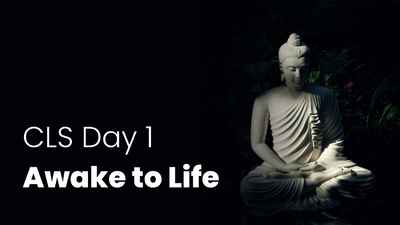
Day 1: Awake to Life
15:00
Day 2: Beyond the Dream
14:59
Day 3: The Here & Now
14:59
Day 4: Truth Beyond the Mind
14:59
Day 5: Wholeness in All Things
14:59
Day 6: A Deep Acceptance
14:59
Day 7: Love’s Resurrection
Week 2 - Conscious Relating

Week 2_ Conscious Relating

14:59
Day 8: Do I See You?
14:59
Day 9: A Cosmic Mirror
14:59
Day 10: The Great Letting Go
14:59
Day 11: Holding Space
14:59
Day 12: Courage to Be Sincere
14:59
Day 13: Authentic Connection
14:59
Day 14: Grow in Love
Week 3 - Conscious Creating

14:59
Day 15: The Real Prize
14:59
Day 16: A Playful Journey
14:59
Day 17: Success is Failure
14:59
Day 18: Heart First
14:59
Day 19: Trust, Not Hope
14:59
Day 20: Moving through Fear
14:59
Day 21: It’s Already Done
Week 4 - Conscious Healing

14:59
Day 22: A Return to Wholeness
14:59
Day 23: The Truth Sets You Free
14:59
Day 24: Painful Separation
14:59
Day 25: Change the Past
14:59
Day 26: Nowhere to Go, Surrender
14:59
Day 27: Embrace Your Humanness
14:59
Day 28: All is Forgiven
Wrap Up - Conscious Living

14:59
Day 29: The Miracle of Being Alive
14:59
Day 30: Gratitude for All that Is
Awakening Is Only the Beginning — Go Deeper
Full Course
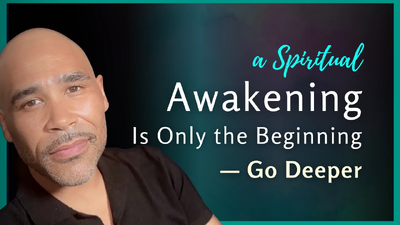
RT004C0
Welcome
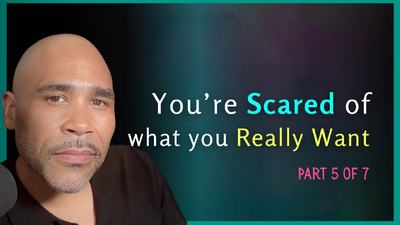
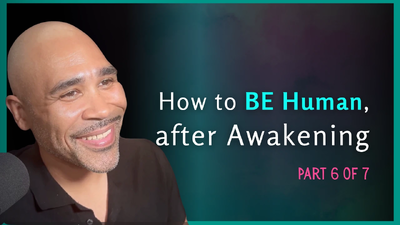
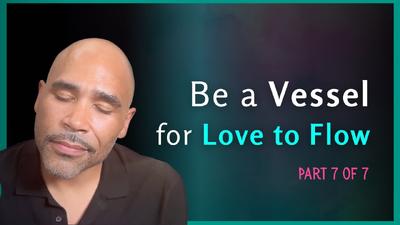
Course Introduction: Awakening Is Only the Beginning — Go Deeper If you've had some kind of awakening — a moment of clarity, love, unity, or peace — you already know it changes everything. But maybe you've also noticed… life doesn’t magically get easier after that. In fact, it can get more disorienting, more confronting, and more real. This series is for you if something in you has seen through the illusion — even briefly — and now you’re asking, “What do I do with that?” Not in a performative, spiritual-identity kind of way. But as a human being who still has bills to pay, people to love, and resistance to face. Across these seven short lessons, Tiger offers a kind of honest, grounded companionship through the afterglow of awakening — not to explain it, but to help you live it. He speaks to the subtle traps that come next: the ego’s new games, the fear of being seen, the pull to stay safe instead of sincere. There’s no fluff here. No “just trust the universe” platitudes. This is real talk for people who’ve touched something true and want to actually embody it. If that’s you — if something in you is ready to stop hiding, stop waiting, and start showing up — then this hour will be well spent. You don’t need to be certain. You don’t need to be advanced. You just need to be honest. That’s where the integration begins.
Free
RT004C1 9:21
⏯️ Video 1: Awakening Is Only the Beginning — Go Deeper
Video Overview: After awakening, many feel they’ve *arrived* — as if they’ve touched the ultimate truth and now the journey is complete. But what Tiger gently uncovers here is that this experience is not an ending… it’s the start of something far more tender, honest, and real. If you’ve glimpsed the unity beneath the illusion — and now find yourself disoriented, unsure, or even wondering, *“What now?”* — you’re not alone. This is where the deeper journey begins.
Free
Course Lesson Reflect
📜 Written Lesson 1: The Illusion of Arrival
RT004C2 8:34
⏯️ Video 2: Life After the So-Called Ego Death
Course Lesson Reflect
📜 Written Lesson 2: When the Game Stops Making Sense
RT004C3 12:25
⏯️ Video 3: The Ego Trap, After Spiritual Awakening (Chasing Bliss)
Course Lesson Reflect
📜 Written Lesson 3: When the Ego Becomes Your Spiritual Seeker
RT004C4 10:31
⏯️ Video 4: Your Real Purpose, Beyond what The Ego Wants
Course Lesson Reflect
📜 Written Lesson 4: The Cost of Living a Lie (When You Know the Truth)
RT004C5 10:35
⏯️ Video 5: The Ego's is Terrified of Real Love
Course Lesson Reflect
📜 Written Lesson 5: When Love Finds You — and You Want to Run
RT004C6 11:38
⏯️ Video 6: After Awakening, the Real “Human” Integration
Course Lesson Reflect
📜 Written Lesson 6: This Game Is Between You and You
RT004C7 9:57
⏯️ Video 7: Be a Heart-Based Souldier: In Service to Love’s Expansion
Course Lesson Reflect
📜 Written Lesson 7: Love Wants to Move Through You
Buy now
Price $1
Buy now
Tigmonk Site Long Logo Light
Tigmonk Site Long Logo Dark

Open up, fear less, love more

Donate
Terms and conditions
Contact Tiger
Copyright © 2026 HeartBased Media LLC (Tigmonk.com)
Amex Discover iDEAL Mastercard Visa